Source Waterproof Night View Driving Recorder for Cars, Trucks, and SUVs
Find 30 Waterproof Night View Driving Recorder options for cars, trucks, and SUVs. Buyers can compare specifications like resolution, viewing angles, and storage capacity to select the right unit for their fleet needs.
Key considerations
Products List

Factory Outlet Front / Inside / Rear Camera Night Vision Driving Recorder
$13.00 - $14.34
MOQ: 300 Pieces


Hot Style Front / Inside / Rear Electronic Camera 2inch IPS Driving Recorder
$13.01 - $14.01
MOQ: 300 Pieces


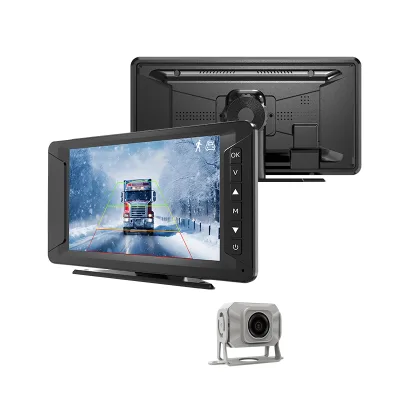


Wholesales 10-Inch Full Screen Dual HD 1080P Night Vision Car Driving Recorder
$18.21 - $20.40
MOQ: 50 Pieces


Wholesale Cross-Border Infrared Night Vision Reversing Visual Driving Recorder
$10.43 - $11.73
MOQ: 95 Pieces

Hot Selling Front and Rear Night Vision Dual Recording Car Camera Recorder
$6.09 - $6.86
MOQ: 160 Pieces

Wholesale Front and Rear Dual Recording HD Night Vision Motorcycle Car Recorder
$42.00 - $46.00
MOQ: 20 Pieces





Comprehensive Sourcing Guide
Waterproof Night View Driving Recorder Sourcing Guide
Sourcing a Waterproof Night View Driving Recorder requires a careful balance between optical performance, environmental durability, and commercial viability. These devices serve as critical safety and liability tools for fleet operators, logistics companies, and individual vehicle owners who need reliable evidence in the event of an accident or dispute. The core value proposition lies in the ability to capture clear footage under low-light conditions while withstanding the harsh physical and environmental conditions typical of automotive use. Buyers must navigate a market where specifications can vary significantly between models, making verification of actual performance data essential before committing to volume orders.
The procurement process involves evaluating multiple technical dimensions, including sensor type, lens angle, storage capacity, and power management. A successful sourcing strategy begins with defining the specific use case, whether it is for passenger cars, heavy-duty trucks, agricultural machinery, or specialized vehicles like forklifts and harvesters. Each application imposes different demands on the device’s mounting stability, viewing angle, and recording continuity. By understanding these operational contexts, buyers can filter through the available product listings more effectively and request the precise technical documentation needed to validate supplier claims.
Product Scope and Observed Listing Signals
The current market for driving recorders presents a wide range of options, with observed price points ranging from approximately $6.09 to $156.30 USD. This broad spectrum reflects differences in build quality, feature sets, and brand positioning. Minimum Order Quantities (MOQs) also vary significantly, ranging from single units for sampling to 300 units for bulk procurement. Buyers should interpret these signals as indicators of supplier flexibility and production scale rather than absolute benchmarks. Lower MOQs may suggest smaller manufacturers or trading companies, while higher MOQs often correlate with direct factory pricing and more stable supply chains for large-scale deployments.
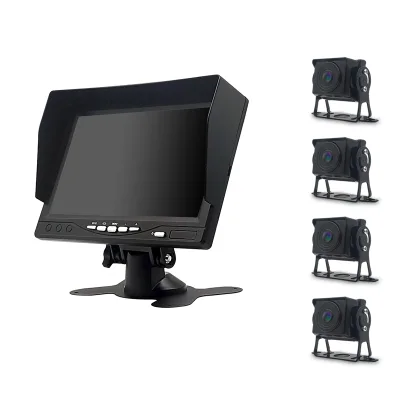
Listing attributes frequently highlight key features such as 170-degree shooting angles, high-definition video resolution, and multi-camera setups. Some models offer three-way recording capabilities, capturing front, interior, and rear views simultaneously. Others focus on specific resolutions, such as 1920x1080P for the front camera paired with lower resolutions for interior or rear views. It is crucial to treat these listed attributes as observations of specific models rather than universal standards for all products in this category. Buyers must verify which specific model number corresponds to the desired feature set, as generic listings may aggregate data from multiple distinct products.
Technical Specifications to Verify
When evaluating technical specifications, the sensor type is a primary differentiator between models. Some recorders utilize CCD sensors, while others employ CMOS technology, each offering distinct advantages in light sensitivity and power consumption. The presence of night vision capabilities is a critical requirement for this product category, ensuring that footage remains usable in low-light environments. Buyers should also examine the working temperature range, which typically spans from -20°C to +75°C, to ensure the device can operate reliably in extreme climates. Additionally, the working humidity range of 15%-60% RH provides insight into the device’s resistance to condensation and moisture-related failures.
Video format compatibility and storage support are equally important for operational continuity. Most devices support standard formats such as AVI, MOV, and MP4, ensuring easy playback on various systems. Storage capacity via TF cards generally supports ranges from 8GB to 128GB, allowing for extended recording periods before overwriting occurs. Buyers must also consider the physical dimensions and mounting interfaces, as some models are designed for specific vehicle types or dashboard configurations. The inclusion of features like shockproof, dustproof, and waterproof ratings indicates a robust build, but the exact IP rating should be confirmed, as some models may claim IP68 protection while others rely on general weather resistance.
Compliance and Safety Documentation
Compliance with regional safety and electromagnetic compatibility standards is non-negotiable for automotive electronics. Buyers must request proof of certification, such as CE marking, to ensure the product meets European safety requirements. While some listings may mention certifications, it is the buyer’s responsibility to verify the validity and scope of these documents with the supplier. This verification process helps mitigate the risk of customs delays or legal liabilities associated with non-compliant electronic devices. Suppliers should be able to provide test reports from accredited laboratories that confirm the device’s adherence to relevant electrical safety and EMC directives.
In addition to regulatory compliance, documentation regarding material safety and environmental standards may be required, particularly for exports to markets with strict chemical regulations. Buyers should inquire about the materials used in the device’s construction, such as ABS plastic or alloy shells, to ensure they meet RoHS or similar restrictions on hazardous substances. Clear labeling and user manuals in the target market’s language are also essential for proper installation and operation. These documents not only facilitate user adoption but also serve as legal protections by clearly outlining warranty terms and liability limitations.
Cost Drivers and Commercial Terms
Several factors influence the final cost of a driving recorder, including the complexity of the camera system, the quality of the lens, and the inclusion of additional features like GPS or Wi-Fi connectivity. Models with higher pixel counts, wider viewing angles, and multi-camera setups typically command higher prices. The choice of sensor technology, such as CCD versus CMOS, also impacts cost due to differences in manufacturing processes and performance characteristics. Buyers should analyze the price-to-feature ratio carefully, ensuring that they are not paying for unnecessary capabilities that do not align with their operational needs.
Commercial terms, including delivery times and payment conditions, play a significant role in the total cost of ownership. Standard delivery times for these devices can range from 30 to 45 days, depending on order volume and production schedules. Buyers should negotiate clear lead times and penalties for delays to maintain supply chain reliability. Packaging options, such as color boxes or cartons, may also affect shipping costs and product protection during transit. Understanding these commercial variables allows buyers to budget accurately and plan inventory levels effectively, avoiding stockouts or excess inventory costs.
Supplier Qualification and Quality Control
Supplier qualification is a critical step in mitigating procurement risk. Buyers should assess the supplier’s manufacturing capabilities, quality management systems, and track record in the automotive electronics sector. Requesting samples for rigorous testing is essential to verify claims regarding video quality, night vision performance, and durability under real-world conditions. Buyers should test the devices in various lighting conditions, temperatures, and vibration scenarios to ensure they meet the specified working parameters. This hands-on verification provides confidence in the product’s reliability before committing to large orders.
Quality control processes should be clearly defined and agreed upon with the supplier. This includes pre-shipment inspections, random sampling protocols, and acceptance criteria for defects. Buyers should establish a clear communication channel for addressing quality issues and requesting replacements or refunds. Additionally, understanding the supplier’s warranty policy and after-sales support structure is vital for long-term satisfaction. A supplier that offers responsive technical support and a robust warranty program demonstrates confidence in their product and a commitment to customer success.
Long-Term Procurement Checks
Long-term procurement success depends on the ability to adapt to technological advancements and changing market demands. Buyers should regularly review their supplier’s product roadmap to ensure they remain competitive with emerging features and improved performance metrics. This includes staying informed about advancements in sensor technology, storage solutions, and connectivity options. Maintaining a diversified supplier base can also reduce risk by providing alternative sources in case of supply chain disruptions or quality issues with a primary supplier.
Continuous monitoring of supplier performance is essential for maintaining high standards. This includes tracking delivery times, product defect rates, and responsiveness to customer inquiries. Regular audits and feedback sessions can help identify areas for improvement and strengthen the business relationship. By proactively managing these aspects, buyers can ensure a stable and reliable supply of high-quality driving recorders that meet their evolving operational needs. This disciplined approach to procurement fosters trust and efficiency, ultimately contributing to the overall success of the sourcing strategy.
FAQs
What video resolution does the front camera record?
The front camera records at 1920*1080P resolution. This high-definition quality ensures clear footage for driving data recording and accident analysis while the interior and rear cameras capture 640*480p video.
Can this recorder function in extreme temperatures?
Yes, the device operates within a temperature range of -20°C to +75°C. This wide working range allows for reliable performance in various climates while maintaining night vision and shockproof capabilities.
Which vehicles are compatible with this driving recorder?
This recorder is applicable for cars, SUVs, trucks, agricultural vehicles, and forklifts. The universal standard design ensures it fits multiple vehicle types including RVs, harvesters, and sightseeing cars without modification.
How long is the delivery time for these units?
The standard delivery time is 30 to 45 days. This lead time applies to orders placed for the specified models and depends on the final quantity and customization requirements selected by the buyer.
What is the maximum storage capacity supported?
The device supports TF cards with a maximum capacity of 128GB. This allows for extensive video storing of driving data and night vision footage in AVI, MOV, or MP4 formats.
Does the product offer customization options?
Customization is available for this driving recorder. Buyers can request specific modifications to meet their needs while the standard models come in color boxes or cartons depending on the specific product type.